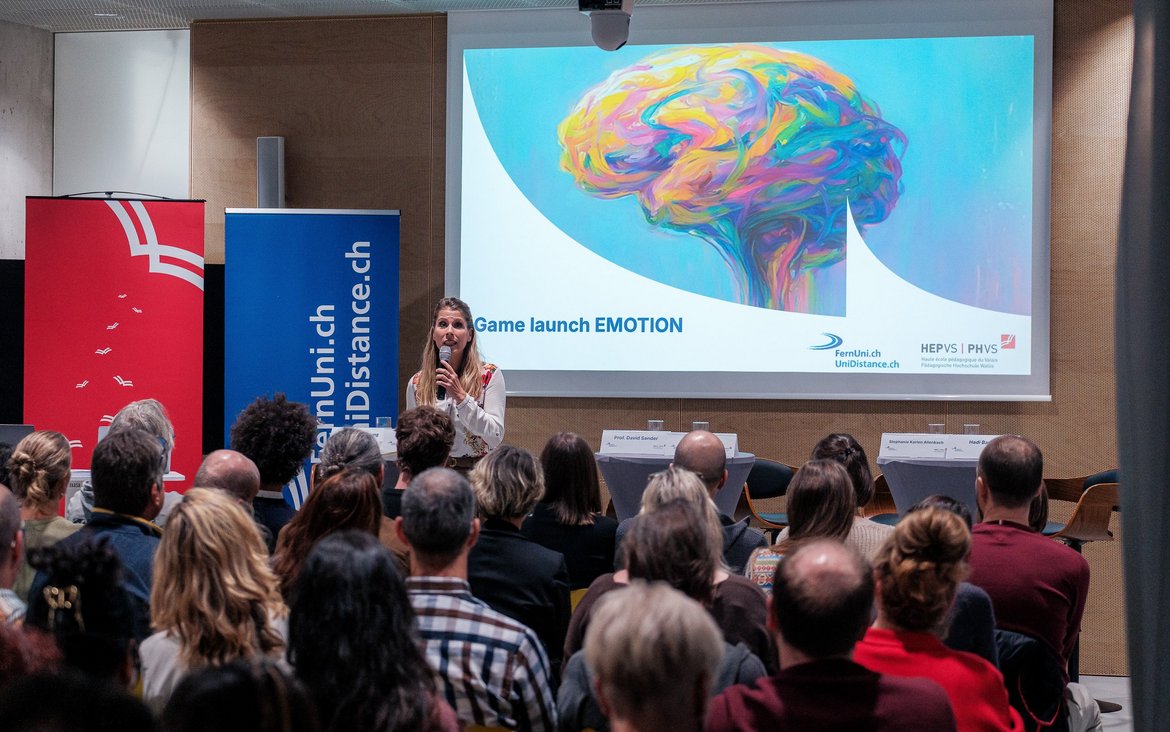
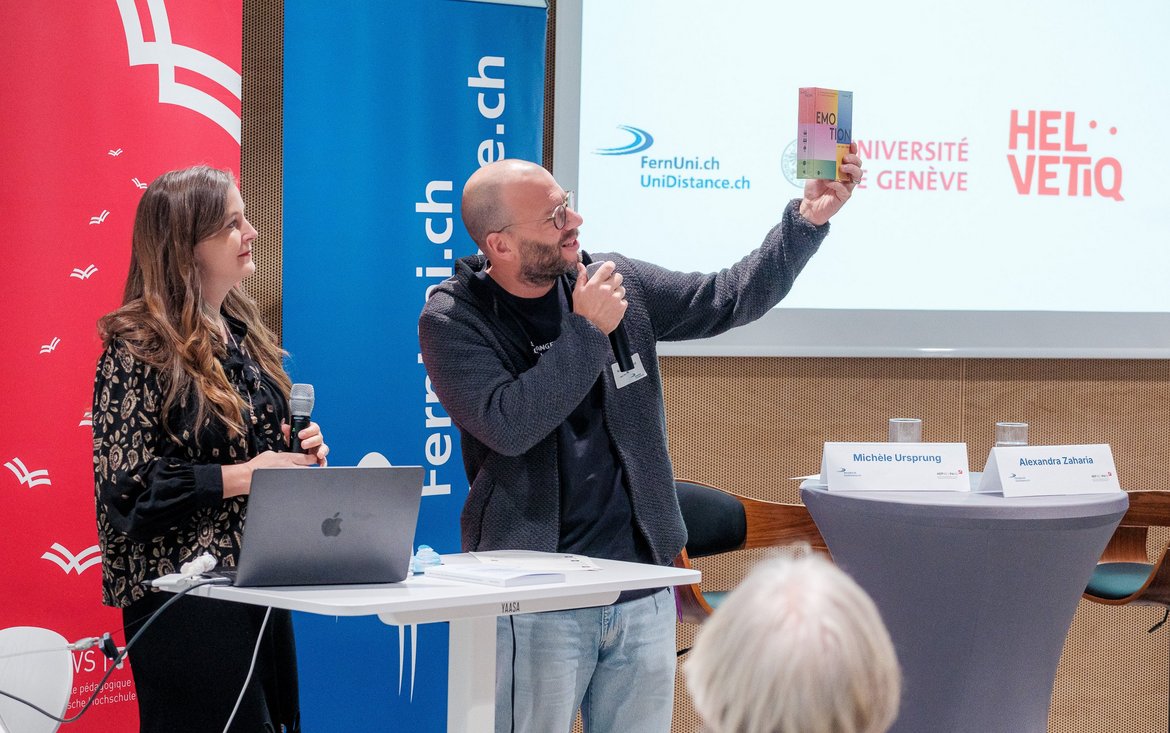
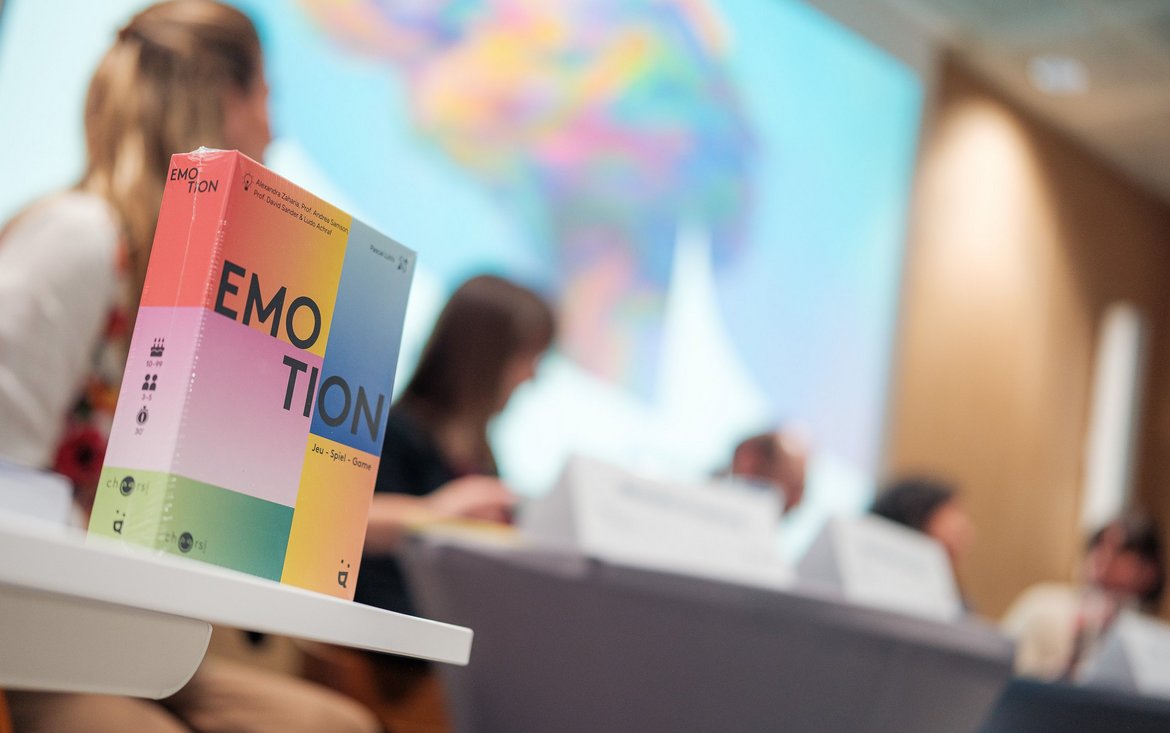
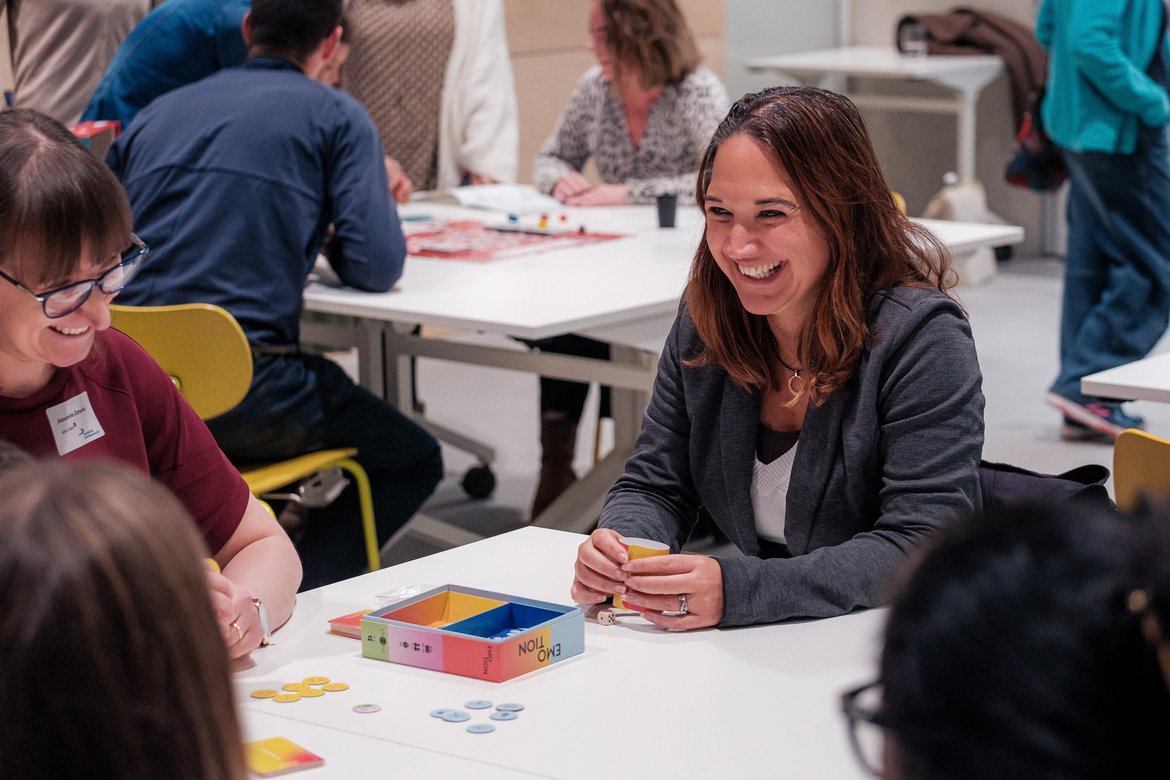
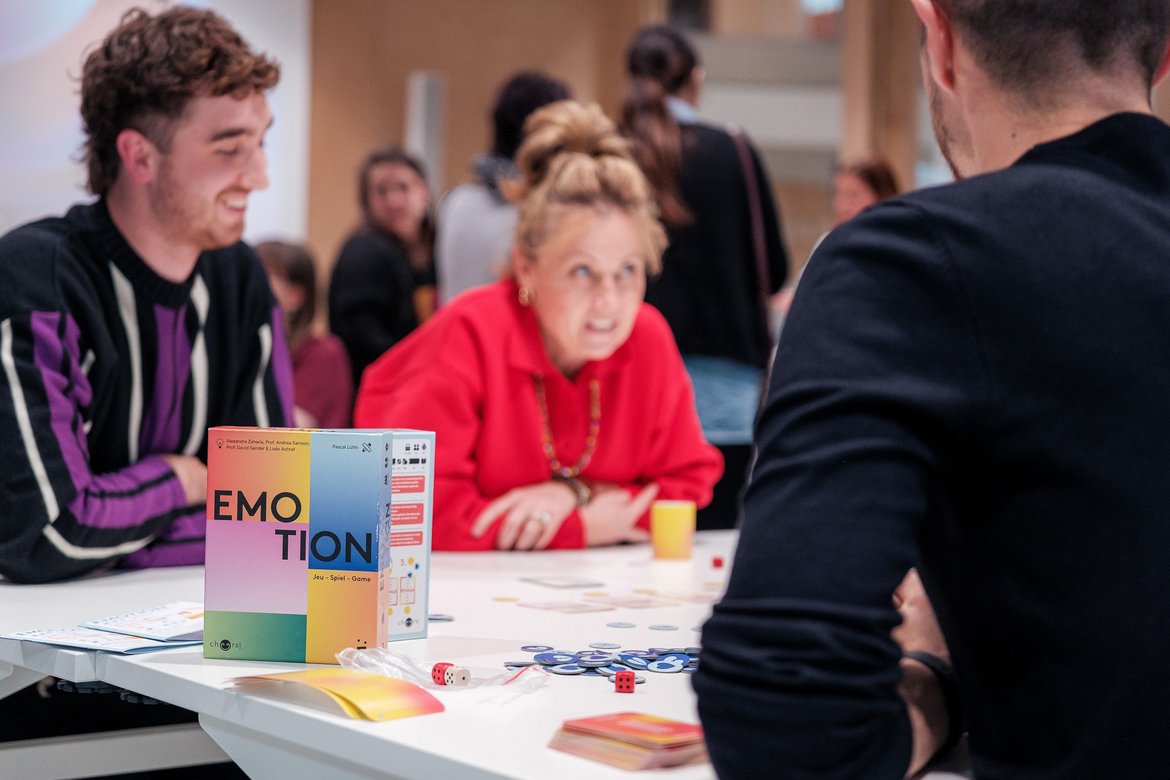
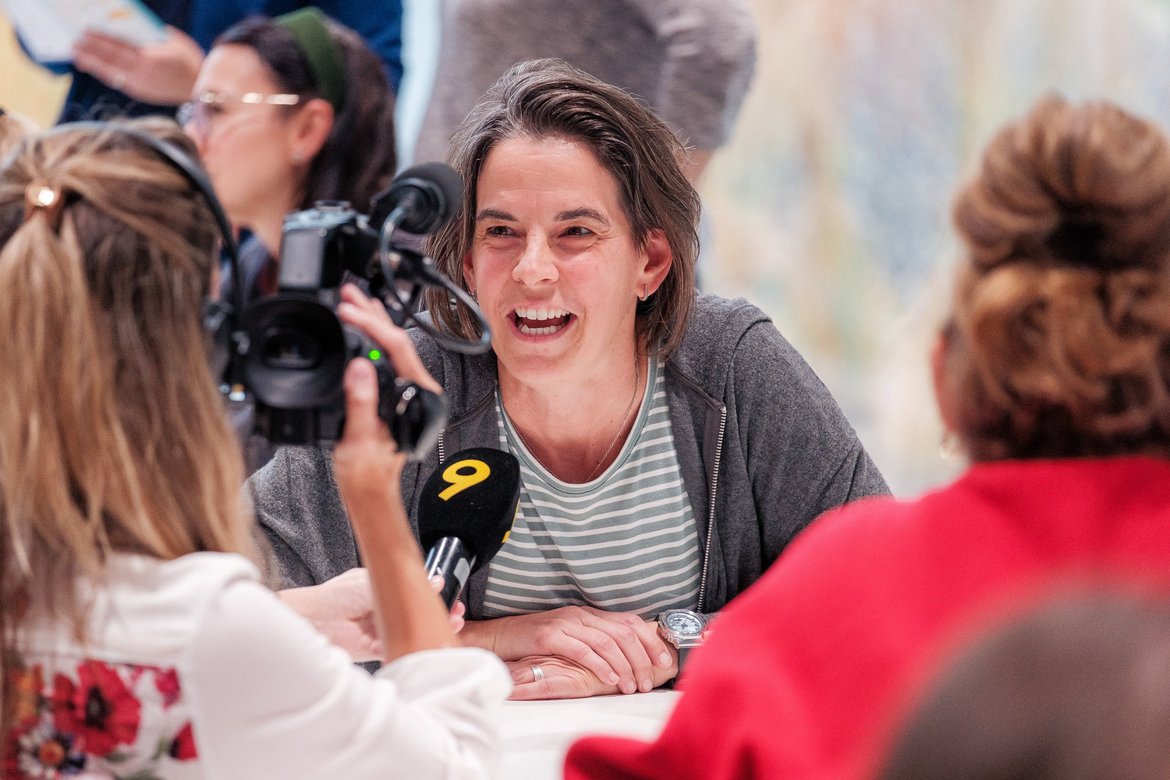
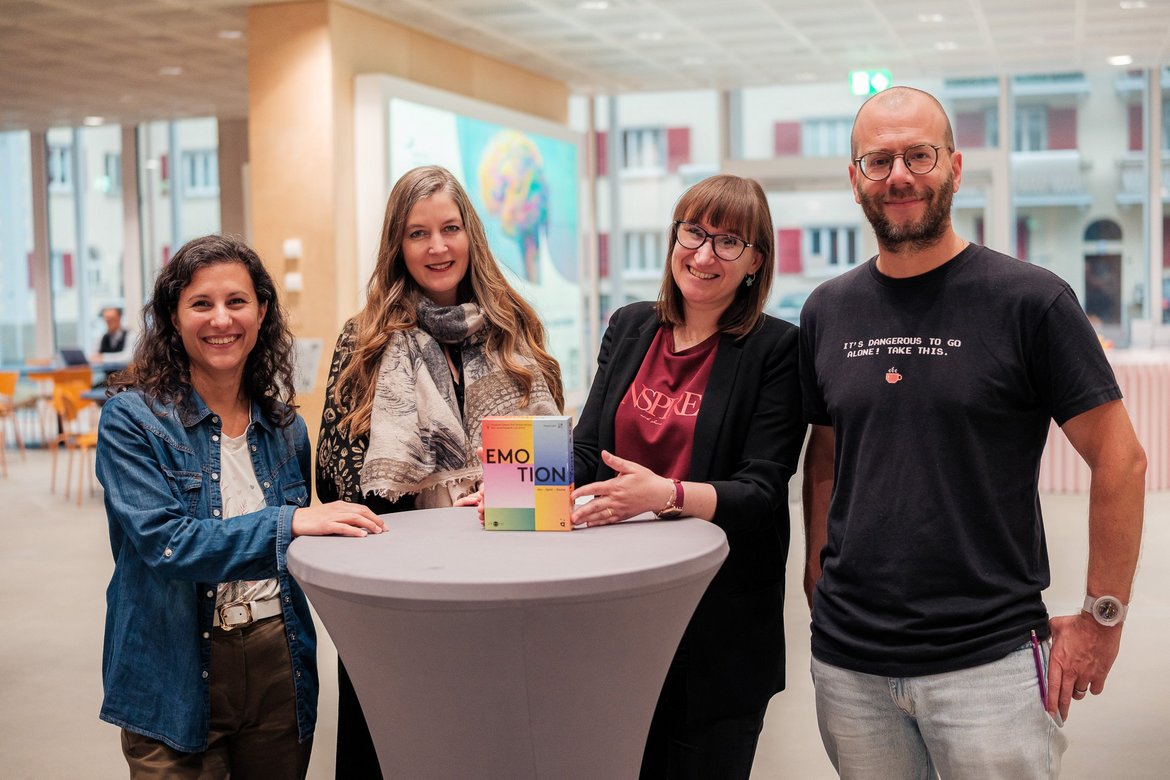
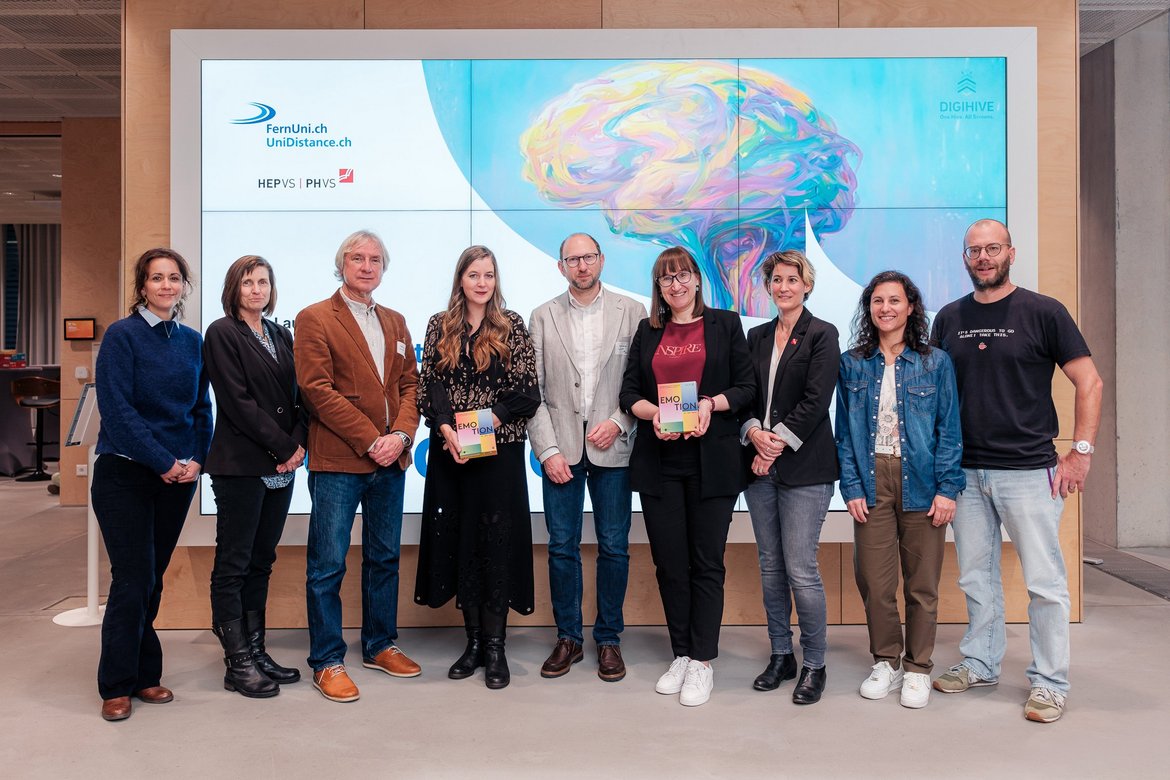
As Alexandra Zaharia, a psychologist with a doctorate in special education, a research associate at UniDistance’s Faculty of Psychology and one of the game’s authors, explains: ‘The game is a promising way to address the need to develop transferable skills in the classroom. Among adolescents, positive emo-tions and learning foster engagement, while self-expression in front of others can sometimes hinder it. Among primary school pupils, positive emotions, self-expression, and learning are key drivers of engagement.”classroom.’
Laura Moreno, PhD student and research assistant at the University of Fribourg and UniDistance, agrees: ‘The success of the game depends less on the game materials than on the teacher’s ability to create a safe environment, adapt the activity to pupils’ needs and foster positive interactions within the classroom.’
Together with Nicolas Bressoud, professor/lecturer at HEP-VS, Laura Moreno also stressed that the tests conducted with teachers in Valais made it possible to adapt EMOTION to the practical realities of schools. Developed through a collaboration between UniDistance Suisse, HEP-VS and the Canton of Valais (Higher Education Service and Education Service), the project was tested and adapted to the needs of classrooms. It is accompanied by an evolving open-access teaching guide designed to facilitate its implementation in schools.classroom.’
Stephanie Karlen Allenbach, professor/lecturer at HEP-VS, also explained how teacher training can prepare teachers to support the development of pupils’ emotional skills in line with the French-language (PER) and German-language (Lehrplan 21) curricula. Her expertise with younger children also shed light on ways of adapting activities to a play-based setting through pretend play.