• Inaugural lecture · Psychology
  • Andrea C. Samson

Humor can do much more than entertain: it can help us cope with difficult situations and regulate our emotions. During her inaugural lecture, The Power of Humor to Regulate Emotions, held on October 5, 2026, Prof. Andrea Samson presented the psychological mechanisms underlying this capacity and high-lighted the diverse effects of humor across different contexts.

As Full Professor at the Faculty of Psychology of UniDistance Suisse and Director of the chEERS Lab, Andrea Samson conducts research at the intersection of emotion science, humor psychology, and mental health. Her work focuses on positive emotions, emotion regulation, and socio-emotional processes in individuals with and without neurodevelopmental conditions. Her research combines fundamental approaches with practical applications to better understand, assess, and foster emotional competencies.

How Humor Influences Our Emotions

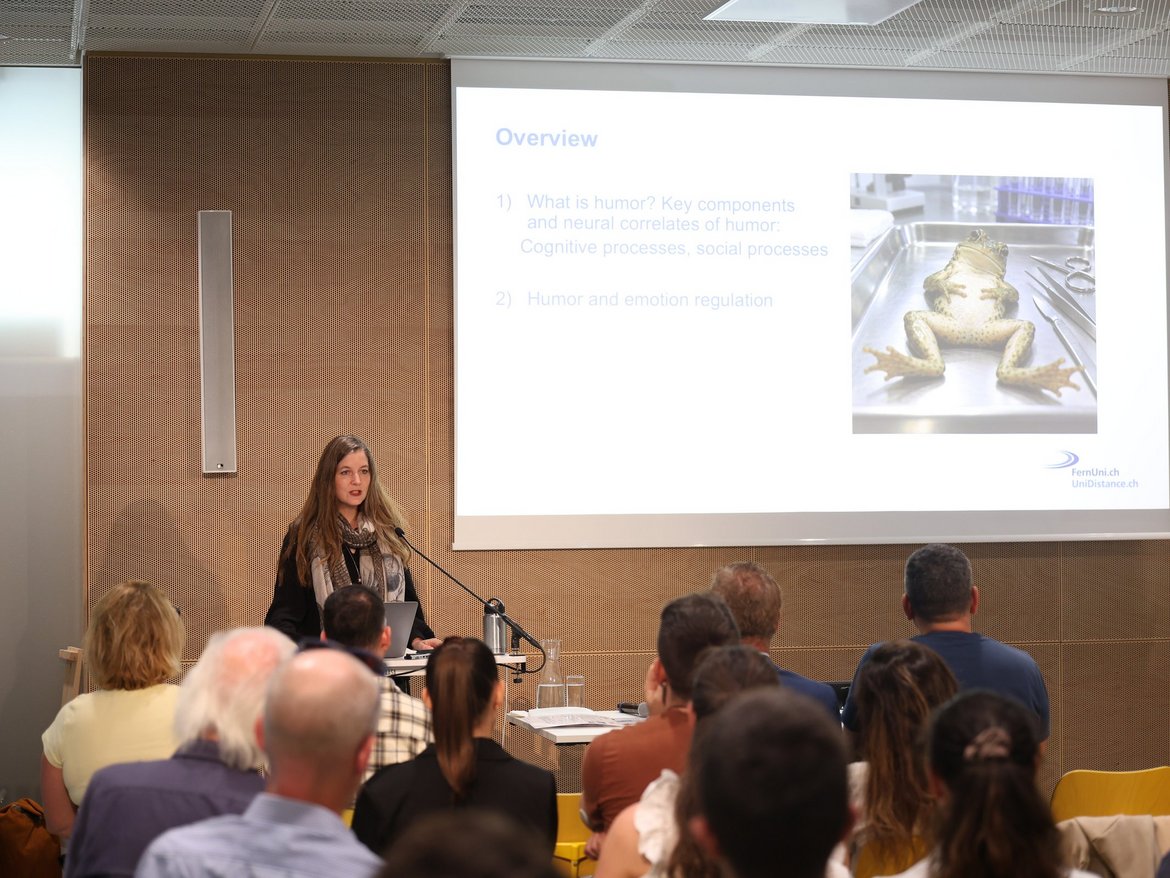
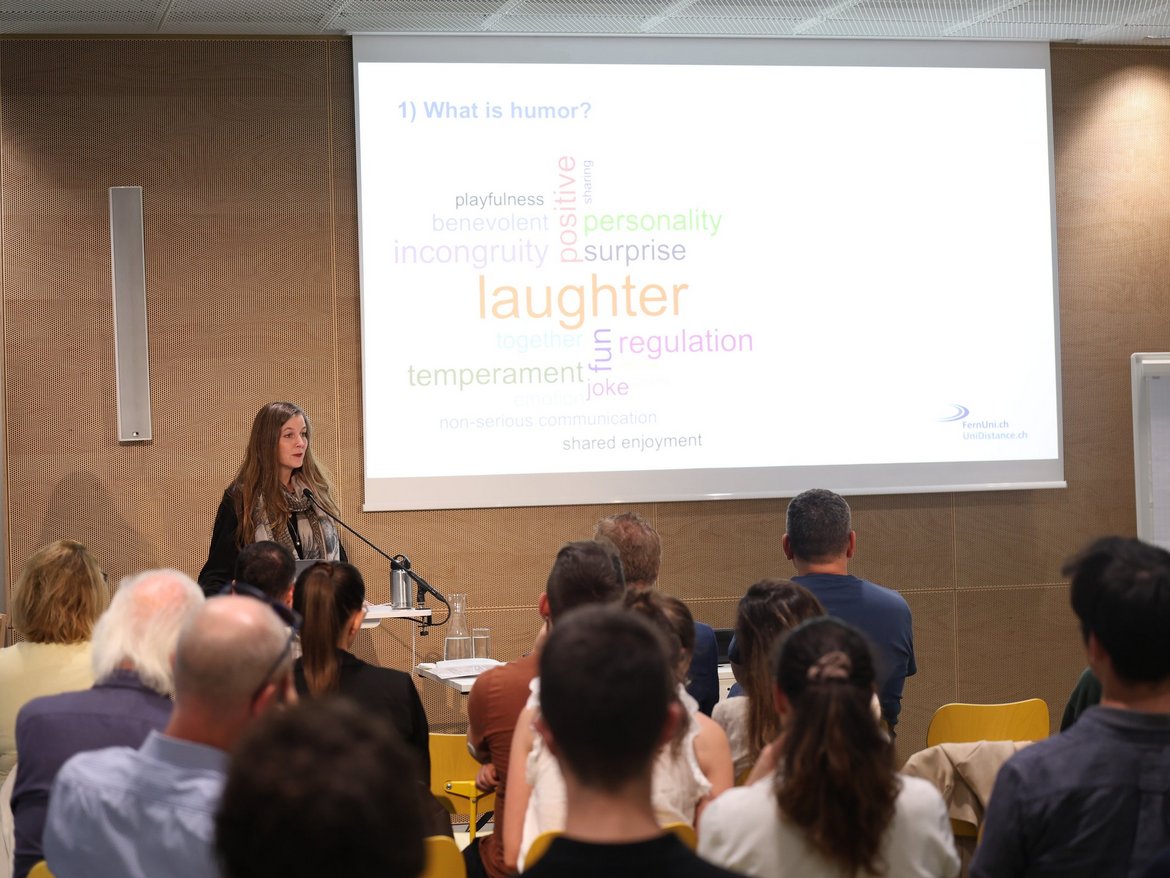
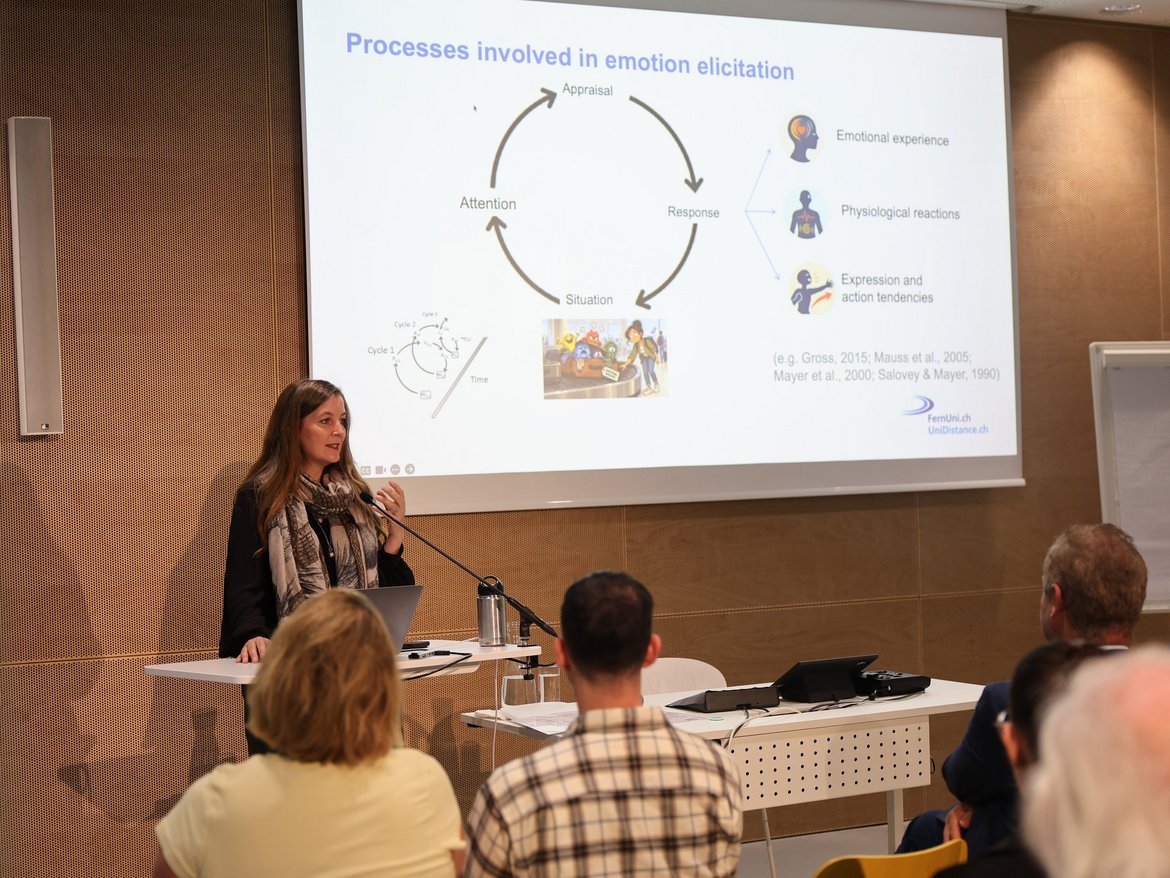
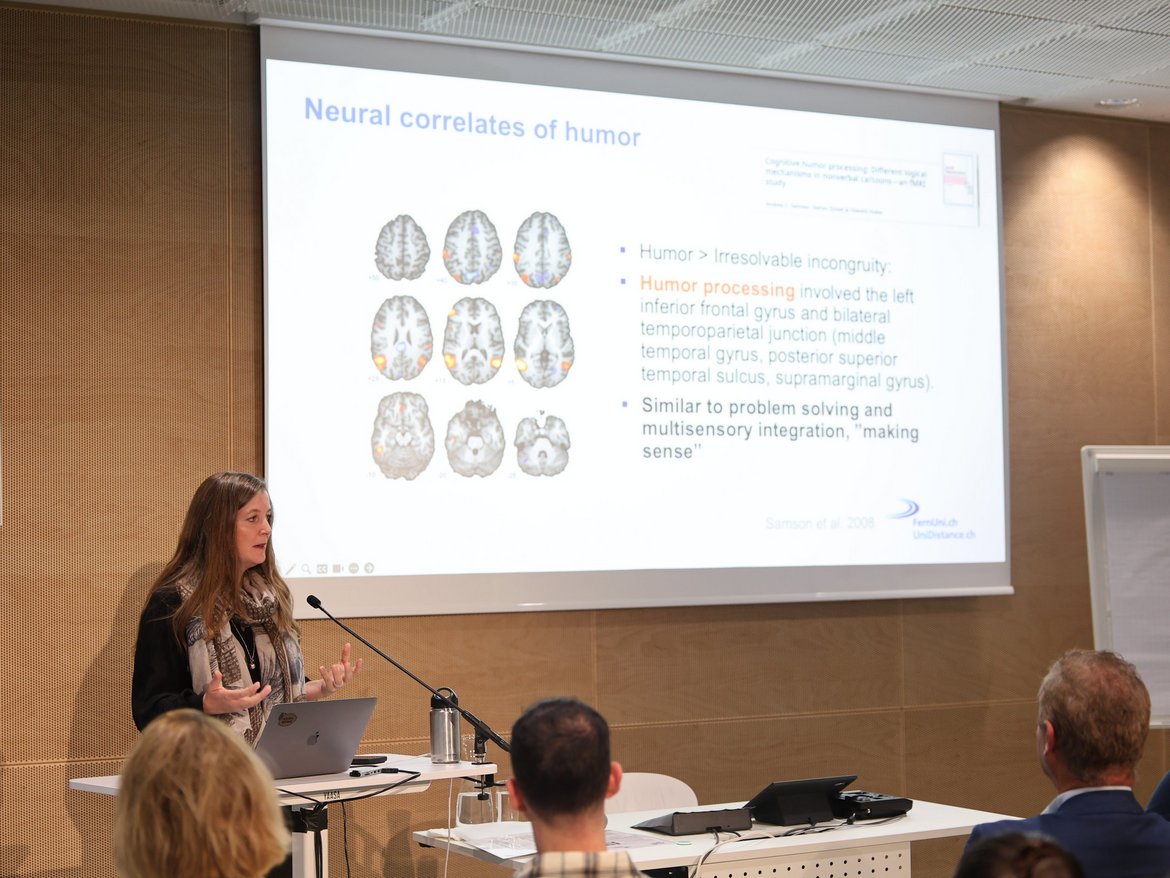
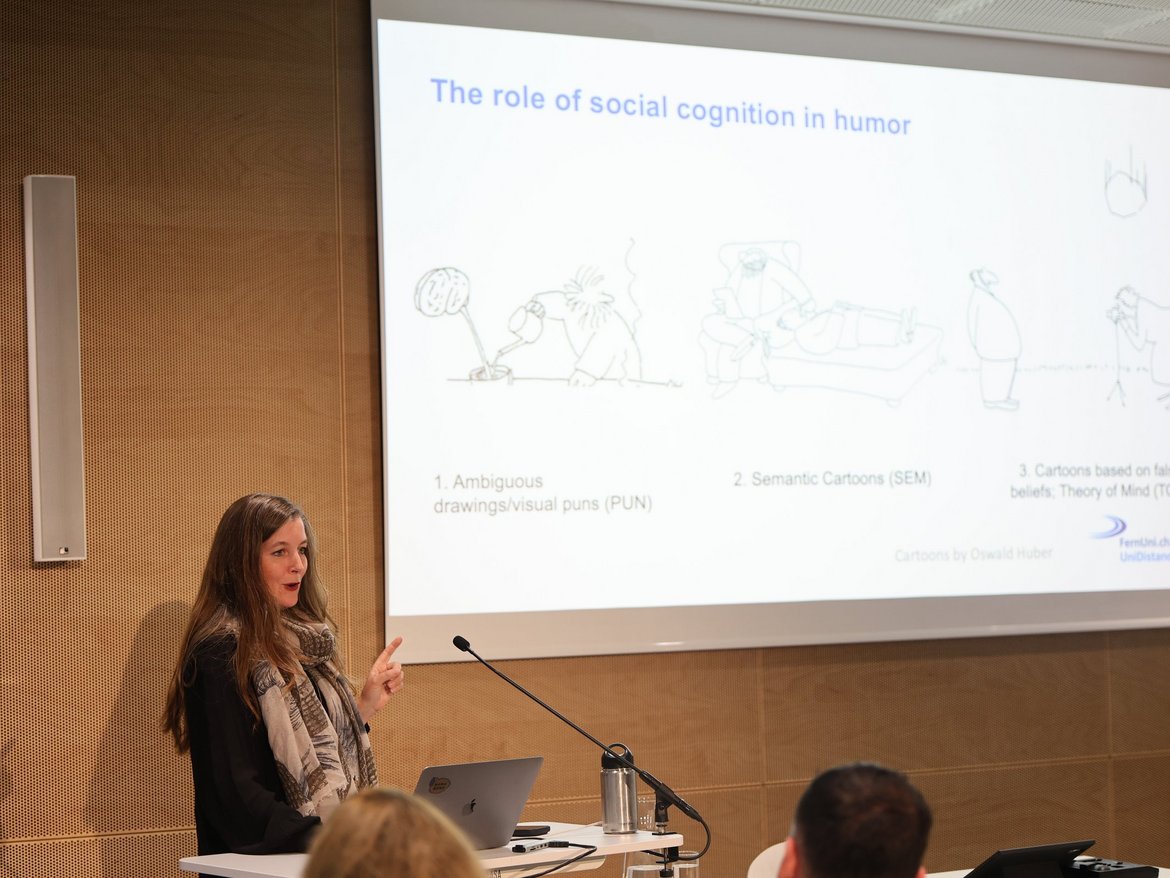
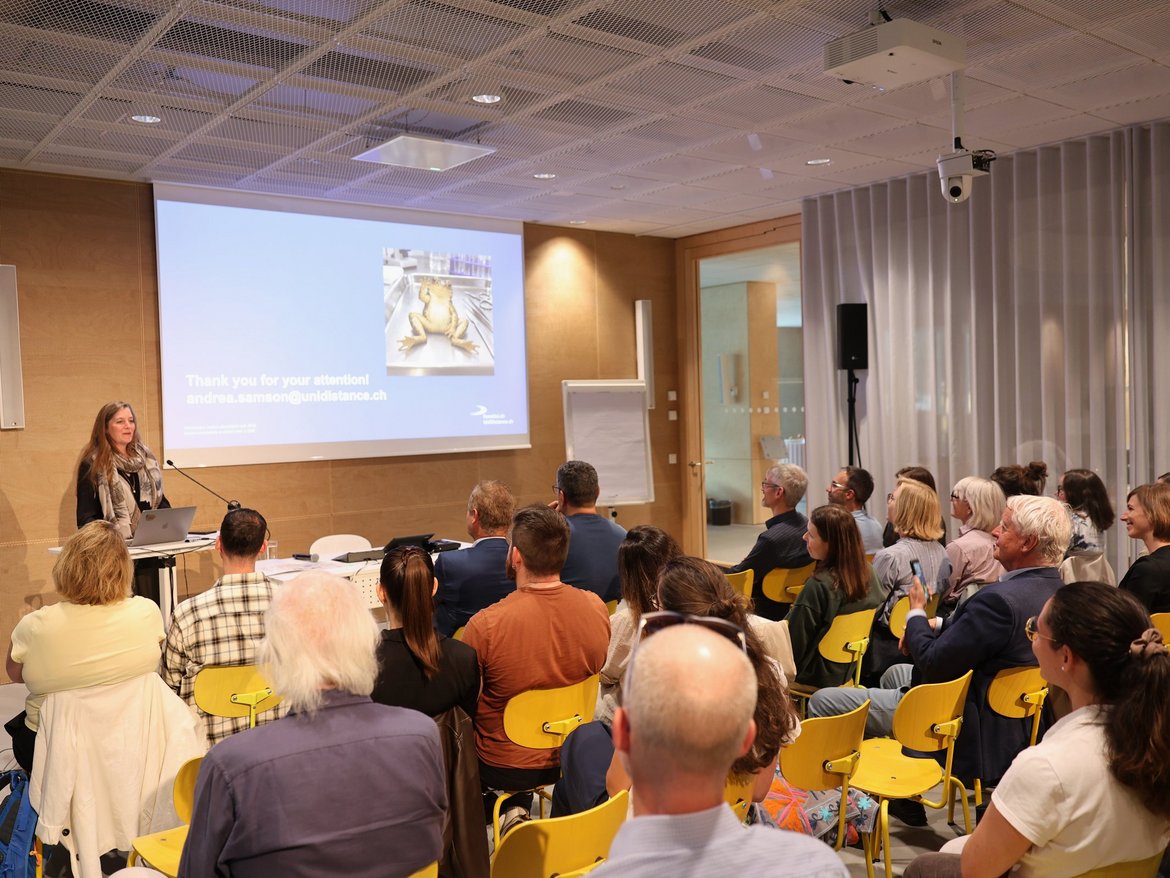
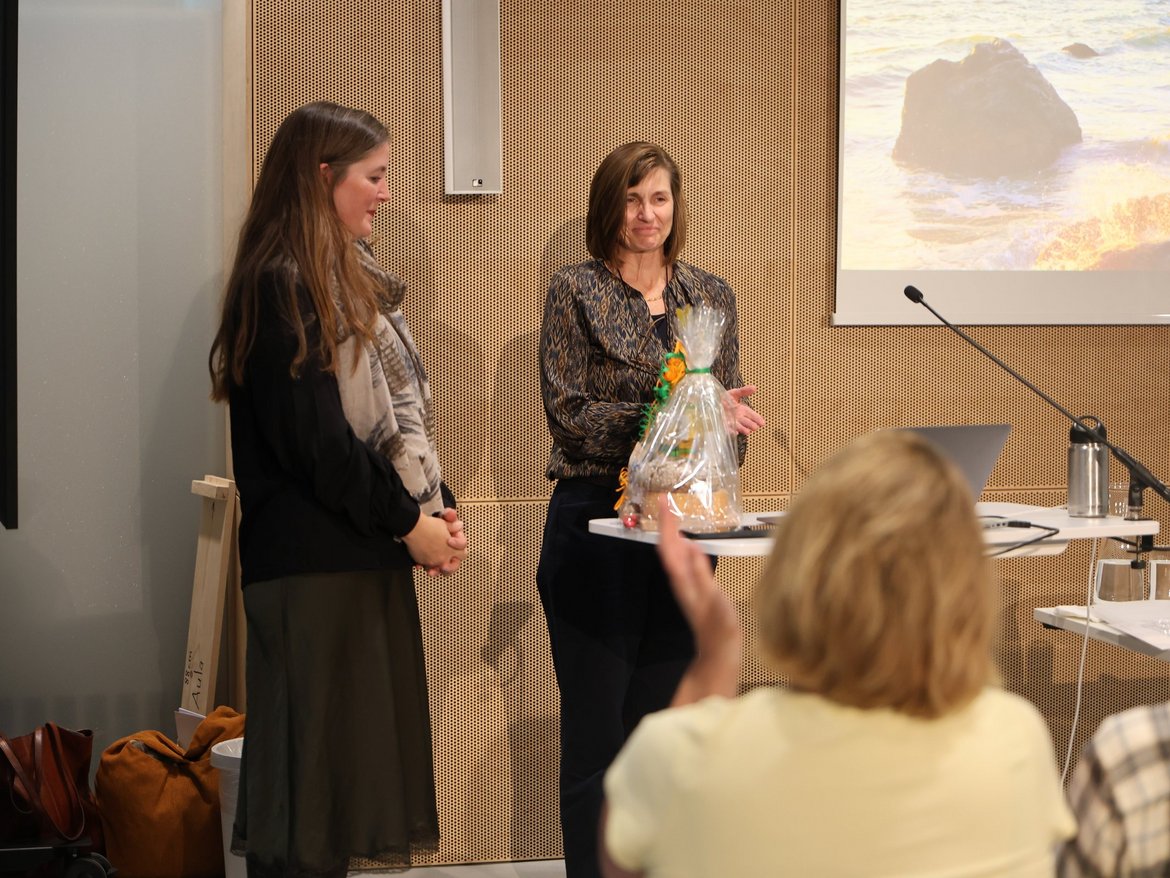
Before an audience composed of members of the university community, students, staff, and invited guests, Prof. Andrea Samson presented findings from her research and shed light on the cognitive, emotional, social, and neural mechanisms that explain the effects of humor.

Humor is not merely a reaction to something amusing. It can also help individuals adopt a new perspective on an experience and thereby change how it is perceived emotionally. Prof. Andrea Samson emphasised that the effects of humor depend strongly on context and are not always positive: “Humor can act as a social glue and bring people together. But it can also exclude people: much depends on whether we are laughing with someone or at someone. At the same time, humor is an important strategy for coping with life’s challenges and regulating our emotions.”

How Does Humor Arise and What Are Its Effects?

Drawing on theoretical models, experimental research, and real-life examples, Professor Andrea Samson illustrated the variety of forms humor can take and the wide range of effects it can produce. One example, featuring a baby laughing while tearing paper, helped demonstrate the role of surprise and incongruity in the emergence of humor. Other examples highlighted humor’s ability to strengthen social bonds while also showing how, in certain circumstances, it can hurt or exclude others.

The lecture also showcased Prof. Andrea Samson’s research on humor and autism, offering valuable insights into the different ways humor may be perceived, understood, and processed.

Watch the Lecture Online

Those who were unable to attend the inaugural lecture or who would like to revisit specific parts can access the recording online.

Watch the video

Chargé-e de cours pour le module « Psychologie développementale dans une perspective Lifespan,… Invitation to Professor Andrea Samson’s inaugural lecture LIFT: New research centre strengthens innovative teaching and learning research The Hidden Power of Smells and Tastes on Our Behaviour Research in Focus